Valhalla vs Elysium: Who Gets In, and What Happens There?
Menelaus gets some astonishing news in the Odyssey. He will not meet an ordinary death at home in Argos. The gods intend to send him to the Elysian Plain. If you expect the reason to be his service at Troy, listen to the explanation he actually gets: he is Helen’s husband and therefore Zeus’s son-in-law.
| Comparison | Valhalla | Elysium in Odyssey 4 |
|---|---|---|
| Host or authority | Odin | The gods grant Menelaus his future |
| Life there | Combat and feasting | Ease at the edge of the earth |
| Key detail | The fighters will be needed again | Menelaus is related to Zeus by marriage |
Side by side: Valhalla and Elysium in Odyssey 4
Host or authority
- Valhalla
- Odin
- Elysium in Odyssey 4
- The gods grant Menelaus his future
Life there
- Valhalla
- Combat and feasting
- Elysium in Odyssey 4
- Ease at the edge of the earth
Key detail
- Valhalla
- The fighters will be needed again
- Elysium in Odyssey 4
- Menelaus is related to Zeus by marriage
Elysium in Homer: a climate worth describing
Proteus gives Menelaus the news in Book 4 while recounting the fortunes of men returning from Troy. On the Elysian Plain at the edge of the earth, life comes easily. The weather does much of the storytelling: no punishing winter, no downpour, a refreshing breeze from Ocean. A veteran who has spent years trying to sail home is promised a place where the elements will finally be kind.
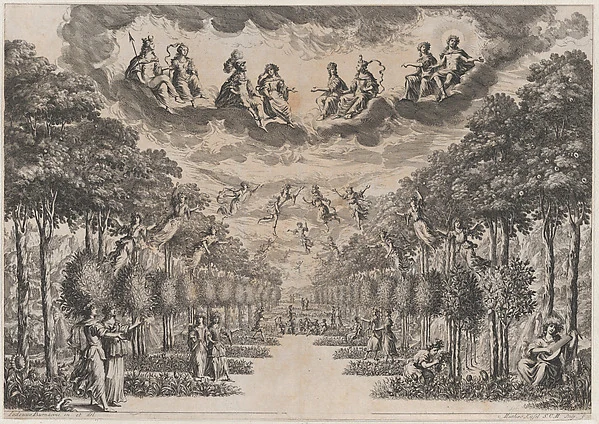
That passage describes one man’s special future. It gives no entrance exam that every dead Greek could take. Later writers imagine other ways to reach a blessed afterlife. When someone says “the Greeks believed,” it helps to ask which poet supplied the guest list.
Valhalla: why the fighting continues
Odin’s hall has a practical purpose. Its warriors, the einherjar, go out to fight and return to feast. In Snorri’s account, their injuries do not put an end to the routine. Its repetition makes sense once you know the ending. Odin is gathering fighters for Ragnarök, when his enemies will come whether his household is ready or not.
Even death in battle doesn’t make Odin the only claimant. The poem Grímnismál assigns Freyja a share of the slain and names her dwelling Fólkvangr. A Viking character in a modern drama can hope for Valhalla. Giving every fallen fighter an automatic place there erases another goddess from the story.
What happens if you switch the guests?
Put Menelaus in Valhalla and he’s back at work. Put one of Odin’s warriors on Homer’s plain and the training stops. The Greek passage measures a good fate partly in the absence of effort. The Norse hall offers company, food and the chance to exercise precisely the skills its residents had in life. It also puts them on the front line of a fight that ends terribly for Odin.
For a useful comparison, skip the question of which place sounds nicer. Read the weather forecast Proteus gives Menelaus, then read the description of the doors of Valhalla through which warriors will march. One poet wants you to feel a breeze. The other wants you to picture an army getting out on time.
Where does Achilles end up?
If battlefield glory guaranteed admission to Homer’s Elysium, Achilles would be an obvious guest. Yet when Odysseus meets him in Book 11, Achilles is among the dead who gather to speak. Odysseus tries to console him by pointing out how much honor he still commands. Achilles would trade it for a living laborer’s lot. What finally cheers him is news of his son.
The same poem can promise Menelaus an easy existence and let its most famous fighter complain about his. Later poets tell different stories about heroes after death. Keep the two Homeric scenes together, though, and you can see why handing Achilles a ticket to a Greek Valhalla would change the point of his speech.