The Fates vs. the Norns: Who Decides a Human Life?
At the foot of the world tree, three women cut marks into wood. Völuspá, an Old Norse poem, names them Urðr, Verðandi and Skuld. They lay down laws and assign human destinies. If you grew up picturing the Greek Fates measuring out a thread, you might recognize their authority before you recognize their tools.
What the Greek Fates give a newborn
The Greek name Moirai has to do with receiving a share. Hesiod names Clotho, Lachesis and Atropos and credits them with assigning the good and the bad that come to a person at birth. The image makes sense at the dinner table. Someone divides what is available. You receive a portion, and the person next to you may get a different one.
Hesiod gives the three more than one place in the divine family. Early in the Theogony they appear among the children of Night. Later they belong to Zeus and Themis, alongside the goddesses of order, justice and peace. Pick just one family tree and you miss how the same poem sees fate from two angles. A mortal encounters a power as mysterious as night. A ruler might see an order that holds the world together.
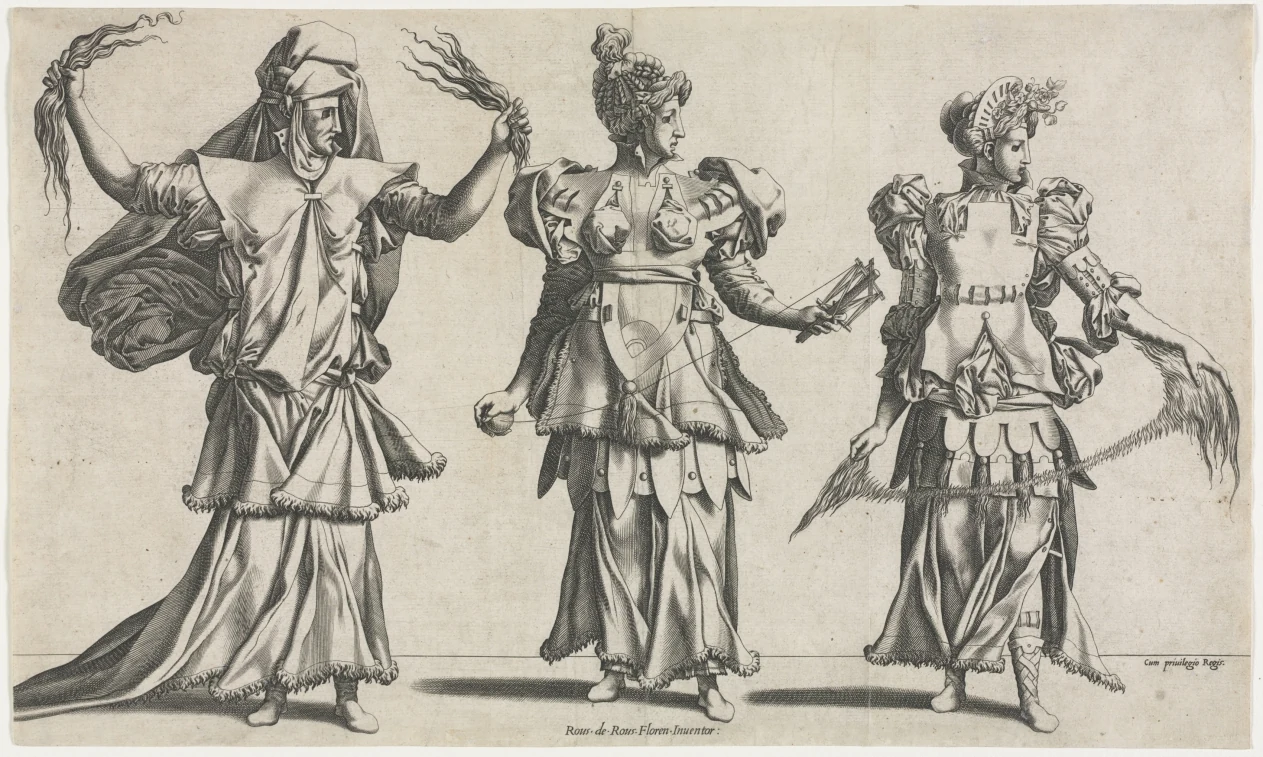
The Fates give Odysseus a choice
At the end of Plato’s Republic, dead souls draw lots for the order in which they will choose another life. One grabs a tyrant’s life before checking what it contains. Odysseus draws the last lot. He hunts down the unassuming life of a private man, forgotten by the others, and says he would have picked it even if he had gone first.
The three Fates make that choice binding. Lachesis sends a guardian with the soul, Clotho ratifies the choice at the spindle, and Atropos makes it irreversible. Here a human decision matters enormously. The frightening part is that the man who wants to be a tyrant gets exactly what he asked for.
Why there are more than three Norns
Snorri Sturluson gives the best-known three a home beside a well under Yggdrasil, the great ash. Then his book Gylfaginning asks a practical question. If the same women decide everyone’s fortune, why do some people live in comfort and others have such miserable lives?
His answer expands the cast. Many norns visit children at birth. Snorri describes norns of divine, elvish and dwarfish descent, and distinguishes those who give good lives from those who deal out misfortune. A painting of three figures under a tree captures the famous group. It leaves a much larger company outside the frame.
Do the Norns represent past, present and future?
You will often see the three Norse names glossed as past, present and future. That can help you remember which names go together. To understand what they do, read the verbs in Völuspá. The women carve and decree together. The poem does not send one woman to inspect yesterday and another to predict tomorrow.
There is a lovely twist on the Greek side. In Plato’s account it is the Fates who sing about time. Lachesis sings of what has been, Clotho of what is and Atropos of what will be. The sharpest distinction between the two groups lies in particular scenes. In one, a choice passes through a spindle and becomes final. In another, destiny takes the form of a law laid down beneath a tree.
More from the Myth Library
Frequently asked questions
What are the Greek and Norse Fates called?+
The Greek Moirai are Clotho, Lachesis and Atropos. The three most famous Norse Norns are Urðr, Verðandi and Skuld. Snorri also describes other norns who visit newborns.
Do the Norns cut the thread of life?+
In Völuspá the three named Norns carve on wood and set human destinies. The familiar picture of a life ending under a pair of scissors belongs to the Greek Fates in later art and storytelling.