π’€­ π’‚— 𒆳 π’Š‘ π’„‘ π’€­ π’‚— 𒆳 π’Š‘ π’„‘ π’€­ π’‚— 𒆳 π’Š‘ π’„‘ π’€­ π’‚— 𒆳 π’Š‘ π’„‘ π’€­ π’‚— 𒆳 π’Š‘ π’„‘ π’€­ π’‚— 𒆳 π’Š‘ π’„‘
The Fertile Crescent

The Mesopotamian Pantheon

Keepers of the Sacred Fire. Servants of Truth and Order.

Descend
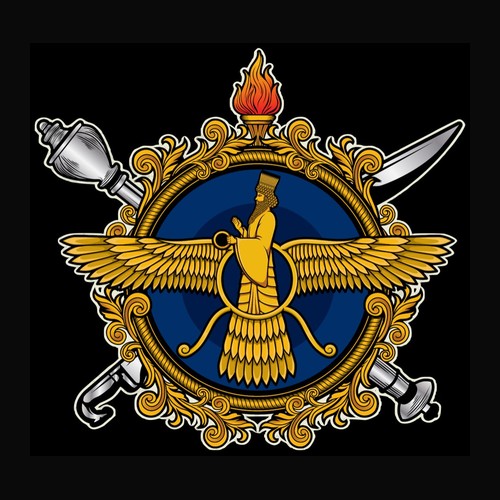
The Mesopotamian Crest

Emblem of the Sacred Fire

At the center of the Mesopotamian Crest stands the Farāvahār, the most prominent symbol in Zoroastrianism, depicting a winged figure bringing light and wisdom into the world.

On the left is the Gorz Mace, a weapon carried by many of the great legendary heroes of Persian myth. On the right, the Kopis sword, a sacred blade said to be wielded by the coming savior at the end of ages.

Crowning the crest above all is the Atar, the holy fire of Zoroastrianism, the divine representation of power and purity, and the visible presence of Ahura Mazda and his truth.

Farāvahār

The winged figure, a symbol of divine purpose and the eternal struggle toward righteousness.

Atar

The holy fire, both a sacred ritual element and the living embodiment of Ahura Mazda's truth.

Gorz Mace

Weapon of the great Persian heroes, granted to those who serve truth.

Kopis Sword

The sacred blade of the coming savior as foretold in prophecy.
The Gods

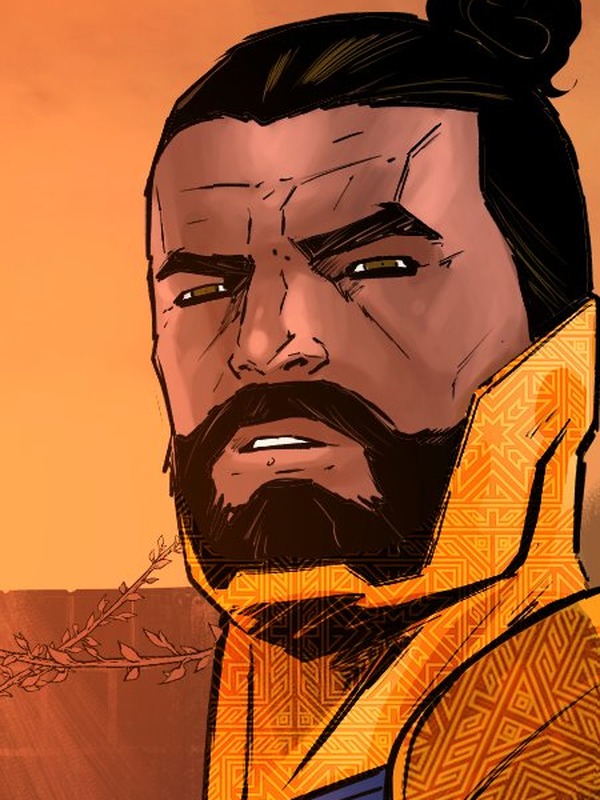
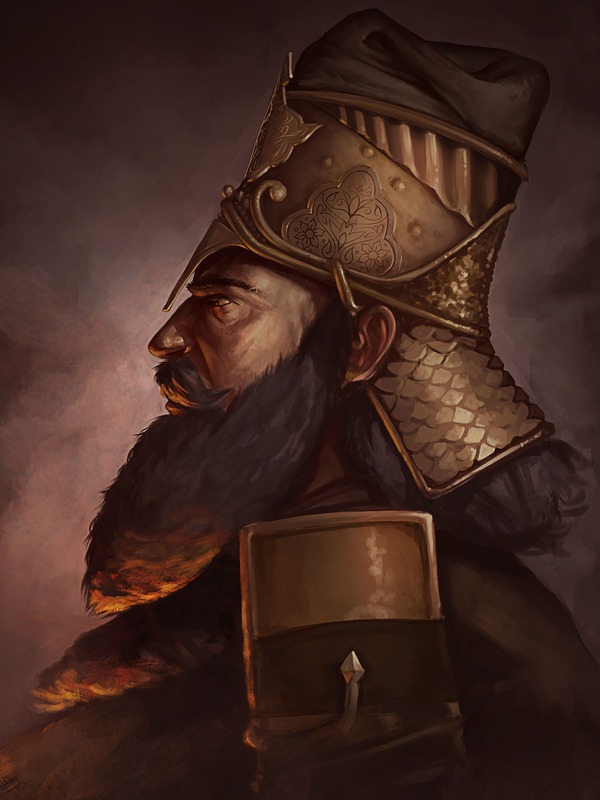
Ahura Mazda, Lord of Wisdom
King of the Mesopotamian Pantheon
Ahura Mazda
Lord of Wisdom  Β·  Source of Light  Β·  Keeper of Truth

The supreme deity of Zoroastrianism, embodying the cosmic ideals of truth and order. Worshipped through prayer and recitation, he stands above all other beings as the source of wisdom and light.

Ahura Mazda is in eternal conflict with Angra Mainyu, the destructive spirit who embodies falsehood, chaos, and evil. This underpins the cosmic struggle between Good & Evil, with humans deciding to align with Arta (Truth) over Druj (Lies) to bring about a final renovation that will purify the world.

The Amesha Spenta

Six emanations of Ahura Mazda sent forth to help govern creation β€” each a guardian of a cosmic principle and the natural element bound to it.

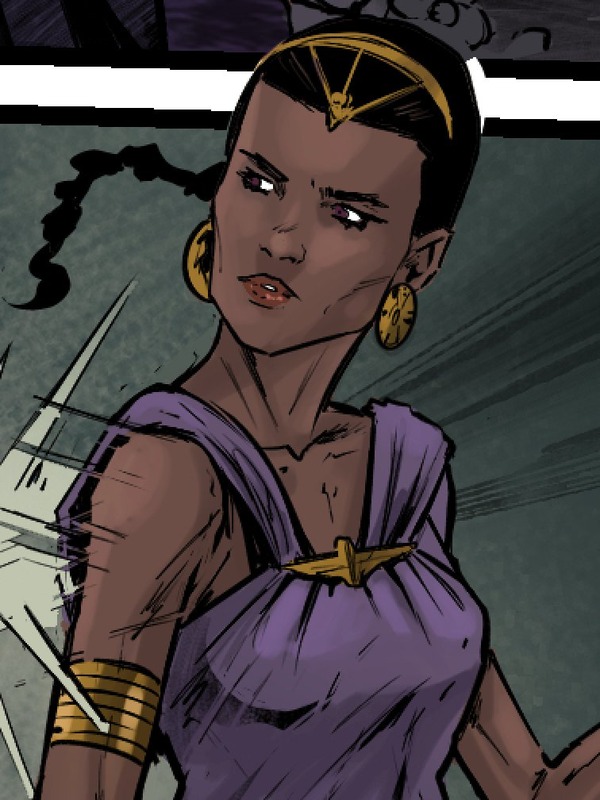
Vohu Manah
Vohu Manah
Associated with Β· Beings Protector of Good Thought & Purpose

The guardian of good intention and the purpose behind all worthy action. Forever at odds with Aka Manah, the Evil Mind.

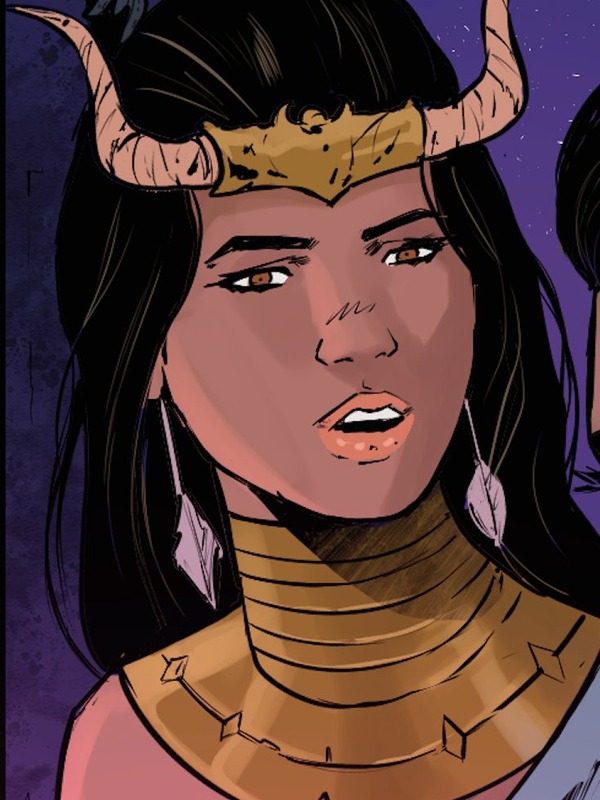
Asha Vahishta
Asha Vahishta
Associated with Β· Fire Agent of Truth & Righteousness

The divine flame of truth, the force that holds cosmic order together. Forever at odds with Druj, the Lie that seeks to unravel the world.

Kshathra Vairya
Kshathra Vairya
Associated with Β· Metal Embodiment of Power & Dominion

The expression of righteous authority and sovereign strength, enabling those who serve truth to uphold order against chaos and corruption.

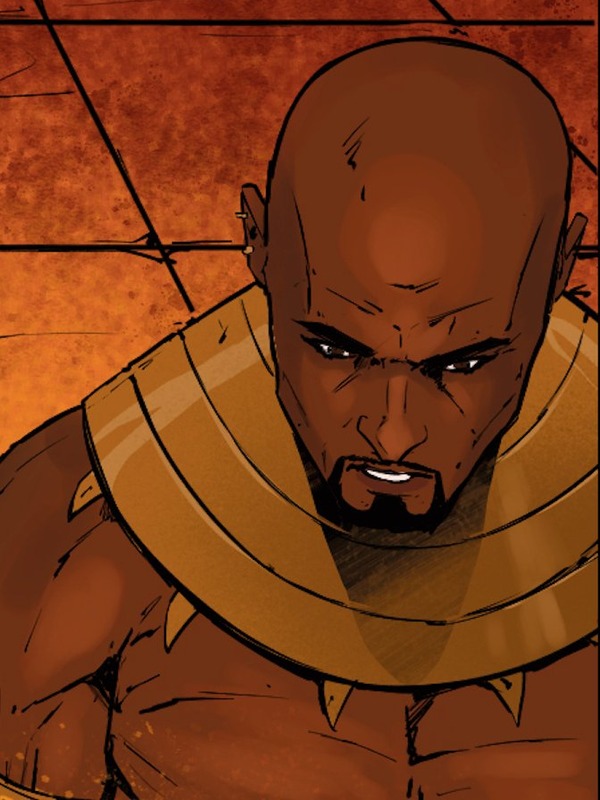
Sandaramet
Sandaramet
Associated with Β· Earth Sustainer of Devotion & Fertility

The grounding force sustaining the earth's abundance and nurturing the devotion that binds mortals to the divine order.

Haurvatat
Haurvatat
Associated with Β· Water Provider of Wholeness & Prosperity

The embodiment of completeness, governing the wholeness of the soul and the prosperity of life.

Ameretat
Ameretat
Associated with Β· Plants Personification of Immortality

The embodiment of the undying life force and the enduring nature of the spiritual realm.

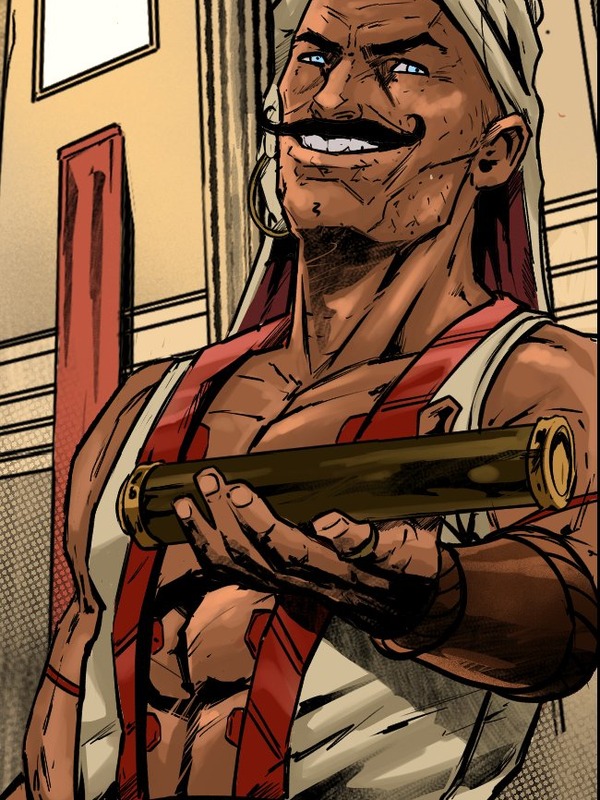
Sirsir, God of Sailors
God of Sailors
Sirsir

God of Sailors in Sumerian and Akkadian (Semitic) tradition.

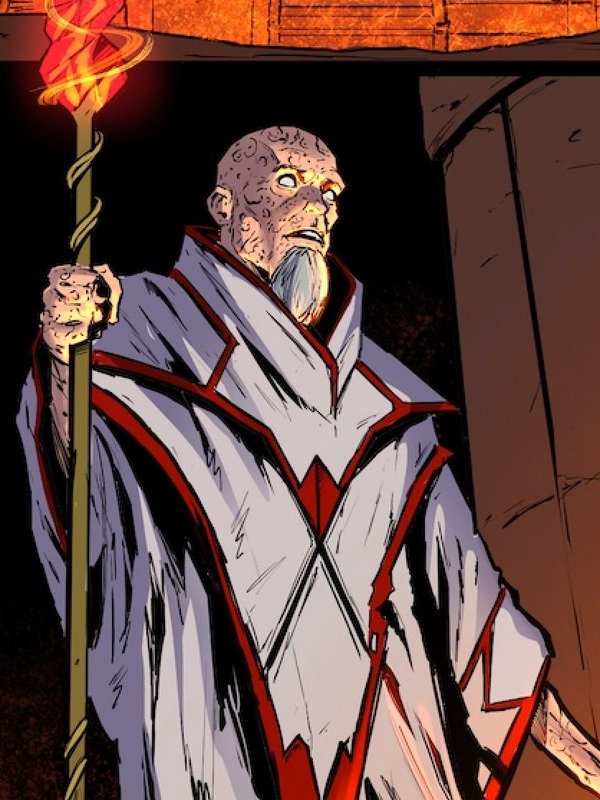
Magi, Keepers of the Sacred Fire
Keepers of the Sacred Fire
Magi

Zoroastrian priest-scholars, keepers of the sacred fire and guardians of ritual order, associated with divination and the interpretation of omens.

Image Coming
God of the Sun
Shamash

The Akkadian (Semitic) God of the Sun.

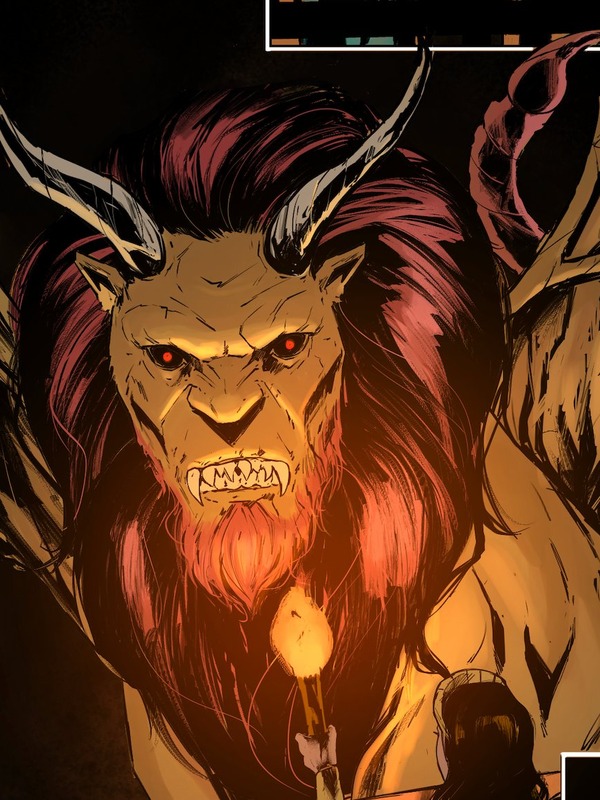
The Manticore
Mythic Creature of Ancient Persia
Manticore

A mythic creature from ancient Persian lore with the body of a lion, face of a man, and tail of a scorpion; its name translates to "man-eater."

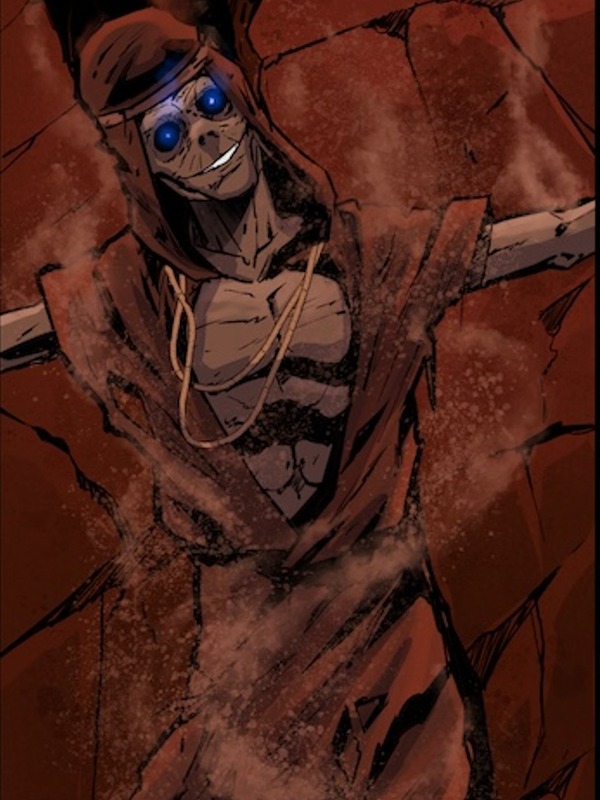
The Daevas
False Gods of Chaos
Daevas

False gods that promote chaos and disorder in Zoroastrianism.

Image Coming
The Destructive Spirit
Angra Mainyu

The supreme evil and destructive spirit in Zoroastrianism.